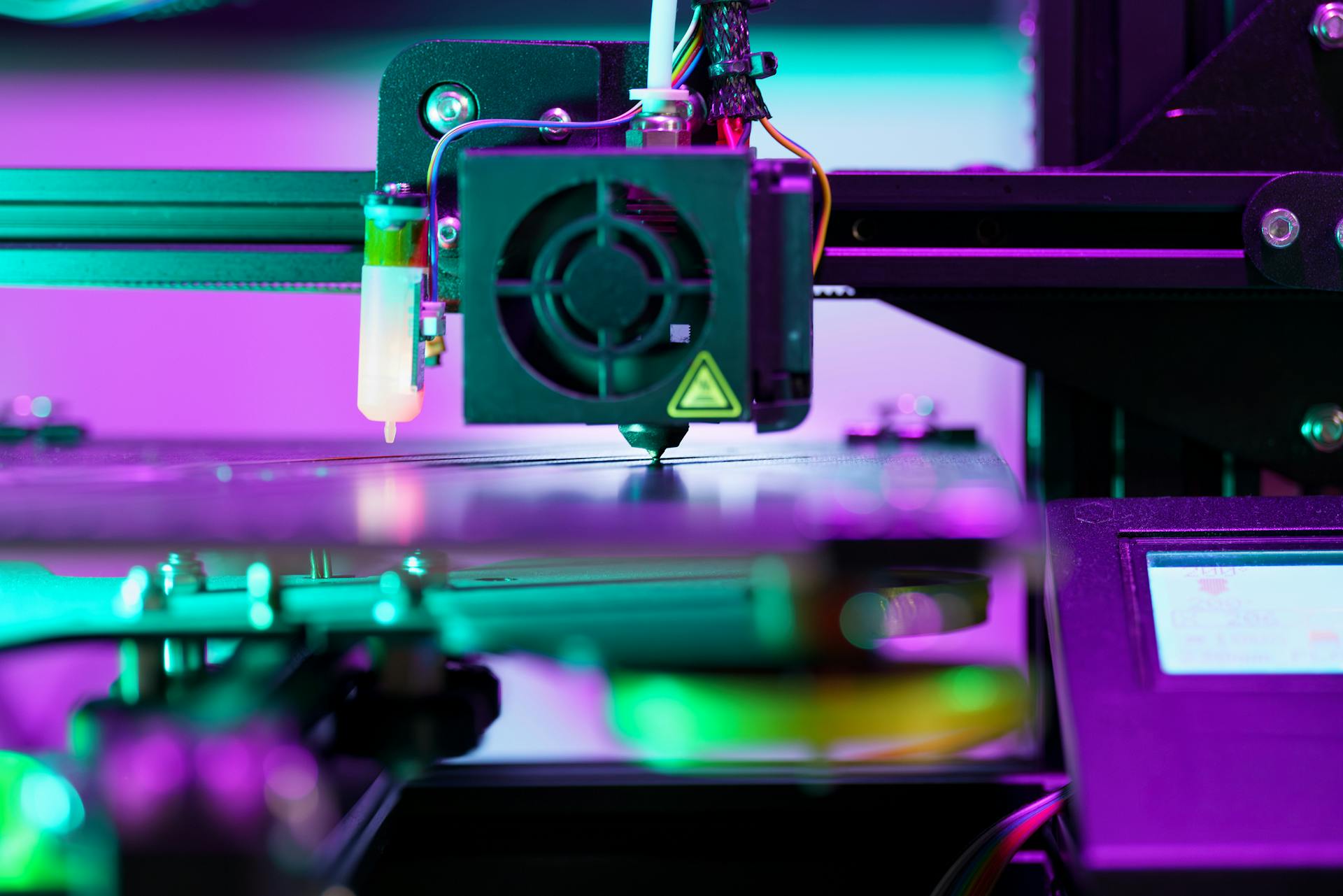
3D printing, also known as additive manufacturing, began in the early 1980s as a method to create three-dimensional objects layer by layer from digital models. The first widely recognized 3D printing technology, stereolithography (SLA), was developed by Charles Hull in 1984. SLA used ultraviolet light to cure liquid resin into solid objects, allowing rapid prototyping that was far faster and cheaper than traditional subtractive manufacturing. Shortly after, other techniques such as fused deposition modeling (FDM) and selective laser sintering (SLS) emerged, each using different materials and methods to build objects. Initially, 3D printing was mostly confined to industrial applications, helping engineers and designers quickly create prototypes for testing before full-scale production.
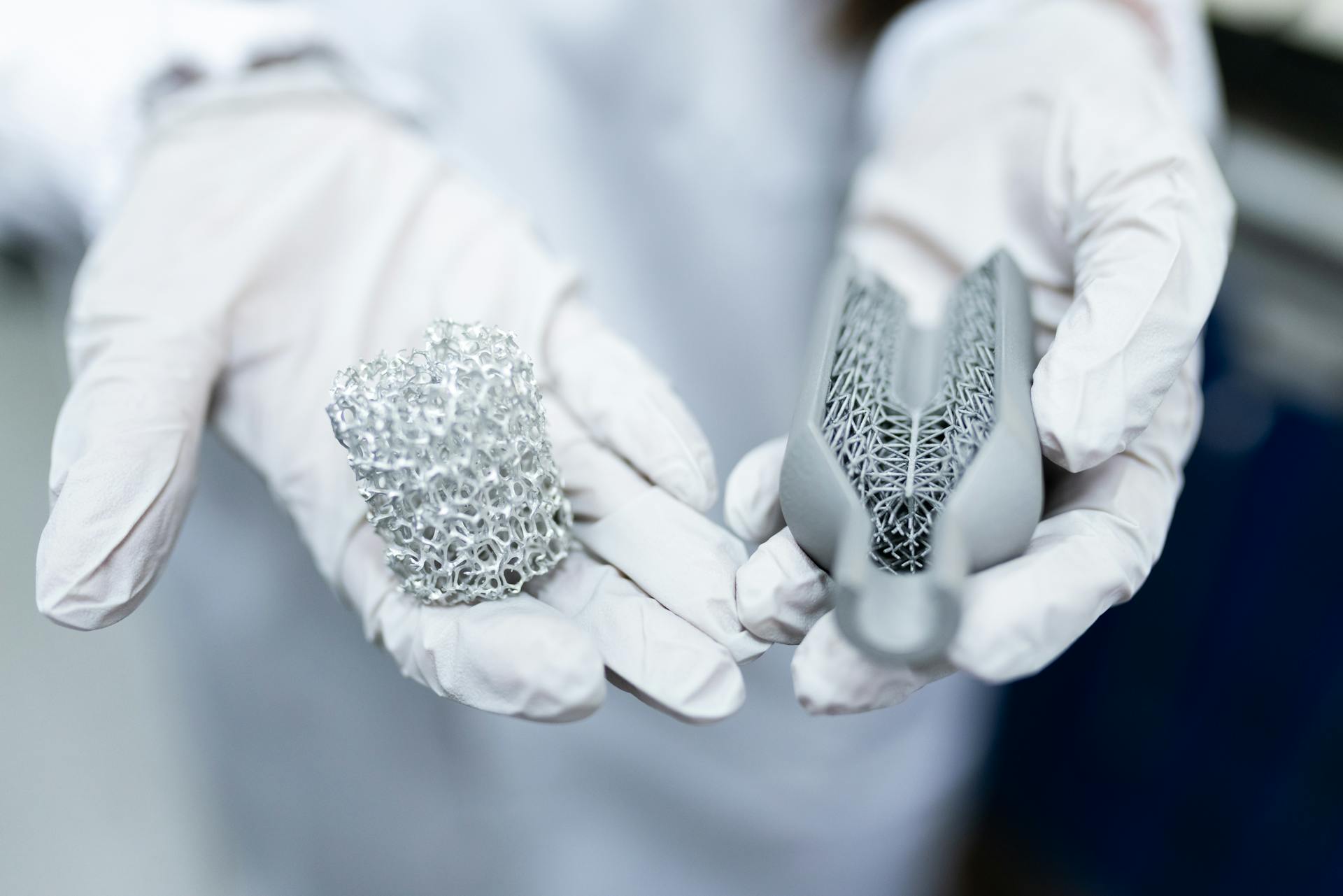
Throughout the 1990s and 2000s, 3D printing technology became more accessible and versatile. Patents began to expire, which allowed smaller companies and hobbyists to develop and sell desktop 3D printers at affordable prices. This democratization fueled innovation in multiple fields, from medical devices and custom prosthetics to aerospace components and architectural models. Today, 3D printing has expanded beyond prototyping to actual manufacturing, producing functional end-use parts in plastics, metals, and even ceramics. With ongoing advances in speed, material diversity, and precision, 3D printing is increasingly recognized as a transformative technology with the potential to revolutionize supply chains, reduce waste, and enable mass customization.